
Celebrating National Adoption Month: Supporting Older Children in Foster Care

large_National Adoption Month Blog_0.png

National Adoption Day is a significant moment during National Adoption Month to highlight the pressing need for adoptive families, especially for older children, sibling groups, and those with specialized needs. Across the United States, over 110,000 children in foster care are up for adoption and waiting for adoptive families. The Barker Adoption foundation is an Adoption Agency licensed in DC, MD and VA.
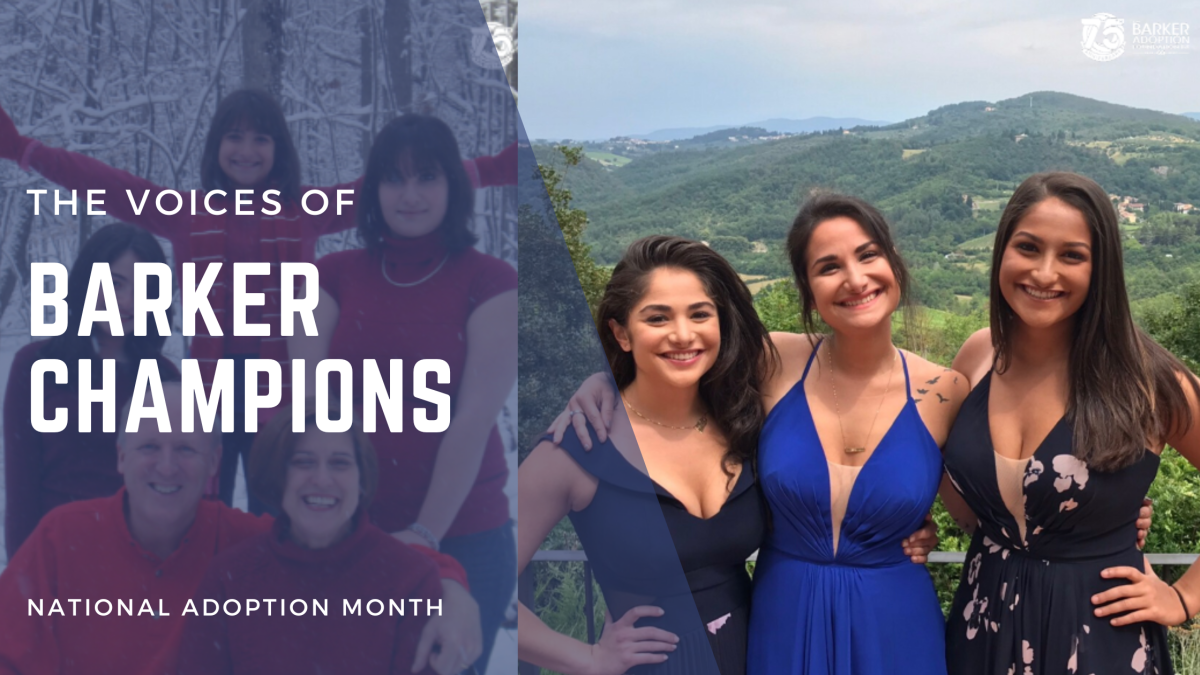
The Voices of Barker Champions: National Adoption Month Q&A with Siblings Aya and Tala

Blog Banner.png

The Barker Adoption Foundation is an Adoption Agency licensed in DC, MD, and VA. At Barker, National Adoption Month is a time for us to renew our commitment to finding loving families for waiting children and youth through our Project Wait No Longer- older child foster care adoption program and our advocacy in the community on their behalf. The most critical voice in the foster care journey is that of the child who is/was in care. This month hear from their voices through our series - The Voices of Barker Champions: National Foster Month Q&As.

 MEET THE RHODES SISTERS.

Adoptee Voices: Foster Care & The Value of Adoption

When talking about adoption and the adoption process, there's one voice that should sound the loudest, the voice of the adoptee. As we enter National Foster Care Month, we want to amplify these voices even more. We hope that hearing from youth who once were in foster care can help the adoption community at large gain a fresh perspective and encouragement as you face your own journey. 

Eva is a bright and exceptional young lady. She was matched with her forever mom when she was 15 years old, and now four years later continues to advocate the importance of permanency. Read more of our Q&A interview with Eva below.

How Childhood Trauma Could Be Mistaken for ADHD

Anyone who works in child welfare or has fostered/adopted from the child welfare system knows that an overwhelming percentage of children in foster care are diagnosed with ADHD. In fact, children in foster care are three times more likely to be diagnosed with ADHD. While it has become a common diagnosis, researchers and clinicians have recently begun to study the relationship between ADHD symptoms and trauma. Lack of resources and time allows children in foster care to slip through the cracks and creates a tradition of overmedicating without getting to the root of the cause. Below is an article originally published in 'The Atlantic' explaining the relationship between trauma and ADHD symptoms, and what clinicians can do to prevent misdiagnosis.